
Fluorescence Imaging
How QLF works, how it complements radiographs, the evidence behind it and the Qray lineup.
한국어 글 보기 →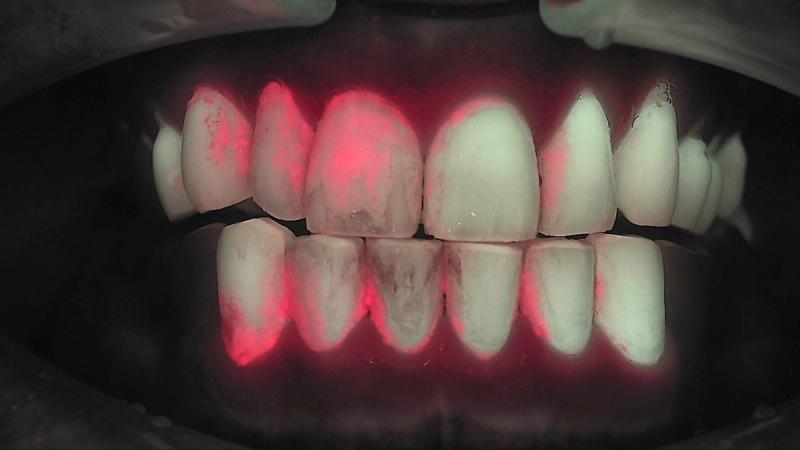
Intraoral Fluorescence Photography: Four Repeatable Basics
The goal of intraoral fluorescence photography is an image you can reproduce at the next visit. Ambient light, distance, angle and a dry field decide quality, and caries and cracks call for different settings. A chairside sequence for standardized intraoral photos.
Read →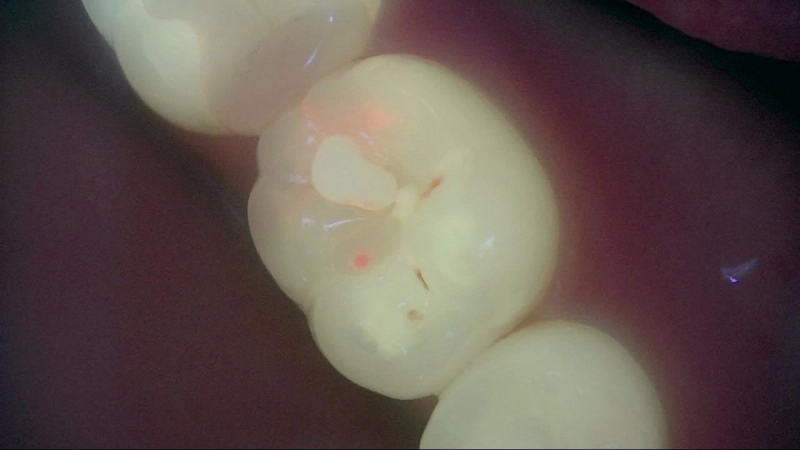
Dental X-Ray Anxiety: Fluorescence and Radiographs, Together
Dental x-ray anxiety is rarely solved by promising fewer images. What Qray fluorescence and radiographs each show, where each did better in research, where fluorescence falls short, and a chairside conversation order for patients who hesitate.
Read →How to Choose a Fluorescence Intraoral Camera: 5 Demo Checks
Before you choose a fluorescence intraoral camera, check whether observing, recording, comparing and planning the next visit actually connect in your practice. Five demo checks: scope (Qraycam Pro vs Qraypen C), repeatability, records, team routine, and evidence with limits.
Read →Qray Intraoral Camera Lineup: Which Device, When?
The four Qray devices share one principle — 405 nm fluorescence — but sit at different points in the workflow: Qraycam Pro for full-arch screening, Qraypen C for a close look at one tooth, Qrayview Pro to confirm biofilm removal, and Qscan Plus for home care between visits.
Read →Quantitative Light-Induced Fluorescence: What 405 nm Shows
Quantitative light-induced fluorescence (QLF) uses 405 nm light to show two signals: green fluorescence from sound enamel and red fluorescence from bacterial porphyrins in biofilm that has matured for three days or more. QLF adds functional information to radiographs rather than replacing them.
Read →