
AIOBIO Blog
Making the invisible, visible. Fluorescence, biofilm and early change — explained for the operatory.
한국어 글 보기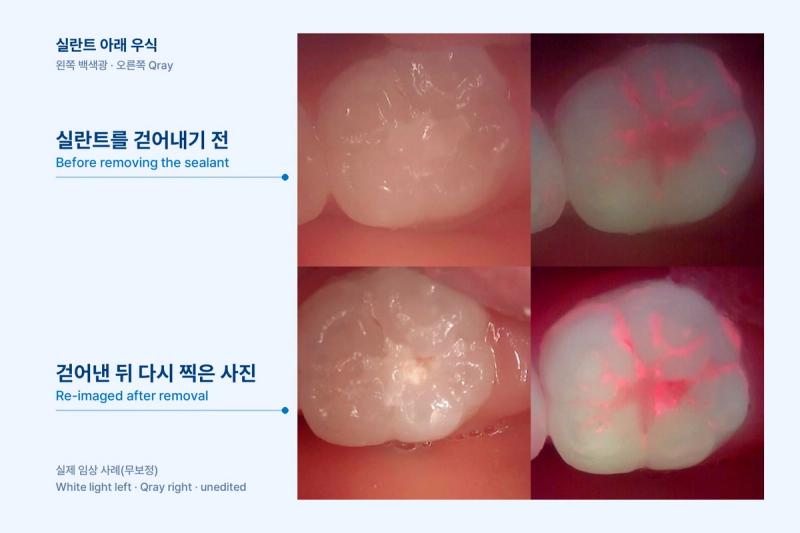
Caries Under Sealant: Image the Fissure Before You Seal
Caries under a sealant usually starts from a lesion already under the fissure or a gap after partial loss. A pre-sealant imaging sequence, what research on stained fissures shows, and what to re-check at recall.
Read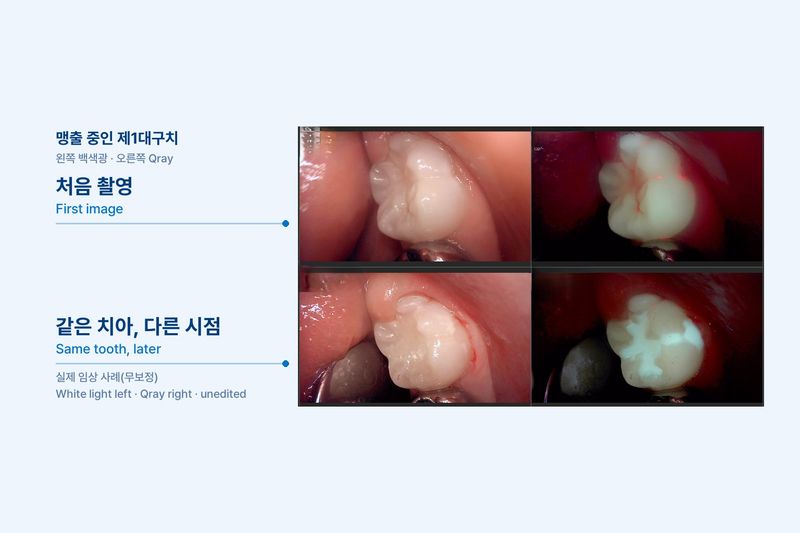
First Permanent Molar Caries: Check the Erupting Molar Early
First permanent molar caries often starts during eruption, in the buccal pit and fissures the brush never reaches. Where to look first, what fluorescence research in children shows, and a chairside sequence for explaining it to parents.
Read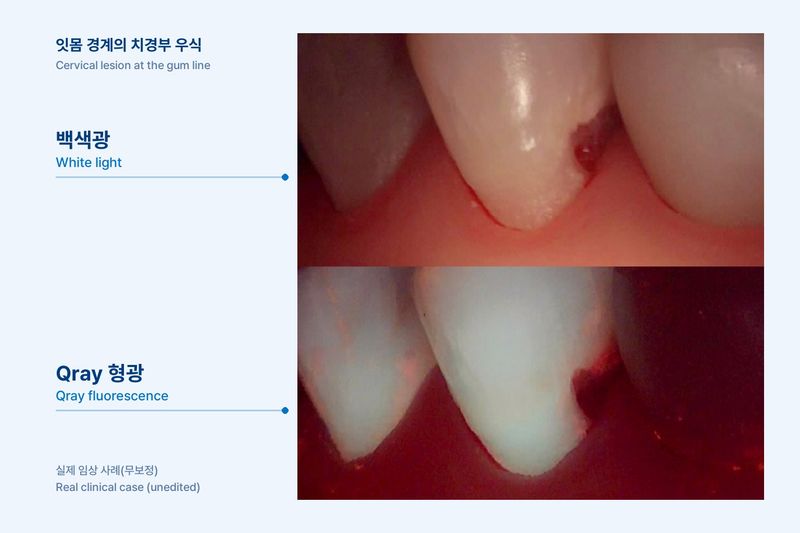
Root Caries in Older Adults: Spot It Early, Explain It
Root caries starts quietly on exposed root surfaces. Why it is easy to miss at recall, what visual-tactile, radiographic and fluorescence findings each add, what studies show about fluorescence on root surfaces, and a chairside sequence.
Read
Dental Team Roles: Who Captures, Explains and Books
A fluorescence camera the dentist runs alone stalls on the busiest day. A simple role split for dentist, hygienist and front office, one patient-friendly line per role, and six steps to start team training.
Read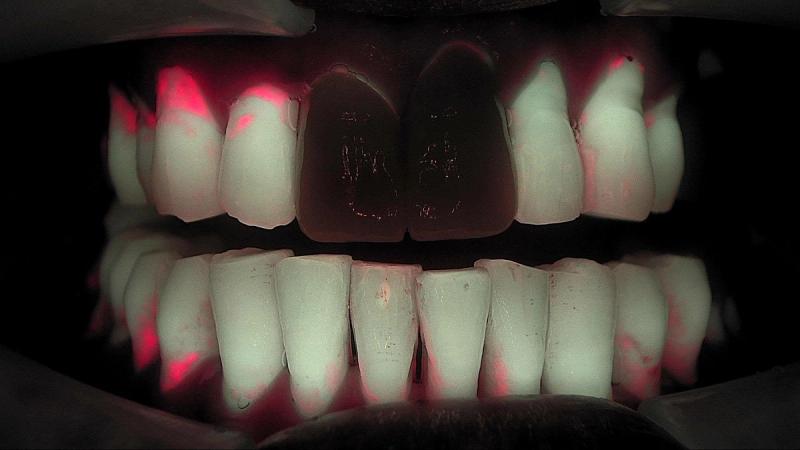
Qray Clinic Experience: The First 90 Days
What changes in the operatory after Qray adoption? Experiences from general dentists arranged as month one (capture technique), month two (consultations) and month three (team routine and records), with the sticking points, what solved them, and five things to decide before day one.
Read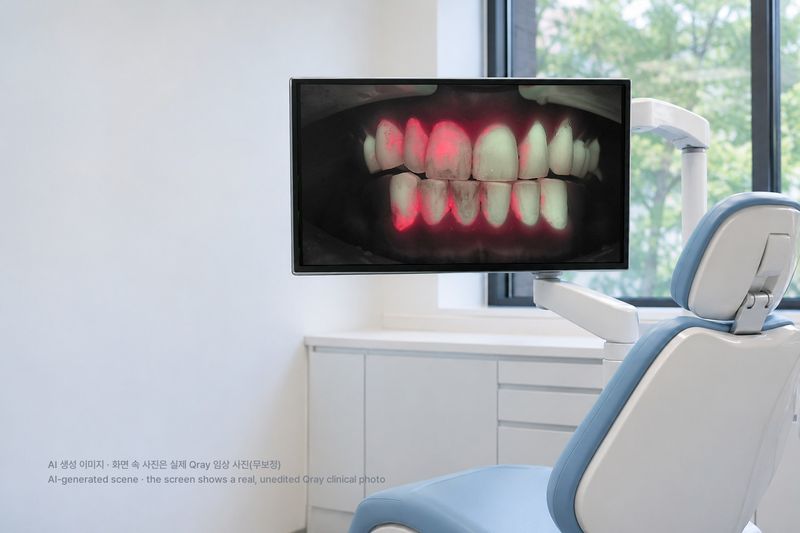
Dental Case Acceptance Starts With What Patients See
Patients rarely reject treatment itself. They reject what they do not understand. The storytelling method in three steps, Reveal, Explain and Simulate, with chairside examples and the one sentence to say before any simulation.
Read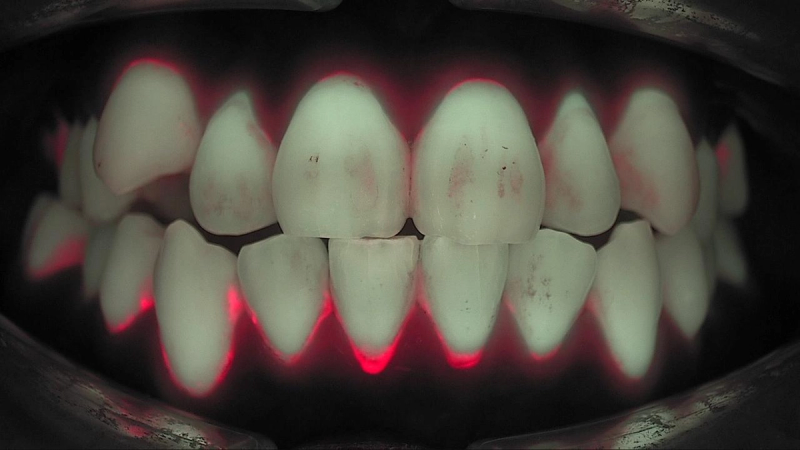
Red Biofilm Care Protocol: Screen, Clean, Diagnose Precisely
The Red Biofilm Care protocol is a five-step single-visit workflow. What screening, hygiene evaluation, biofilm removal, re-evaluation and precise reading each do, why the tooth is read only after the biofilm is gone, and how hygienist and dentist split the steps.
Read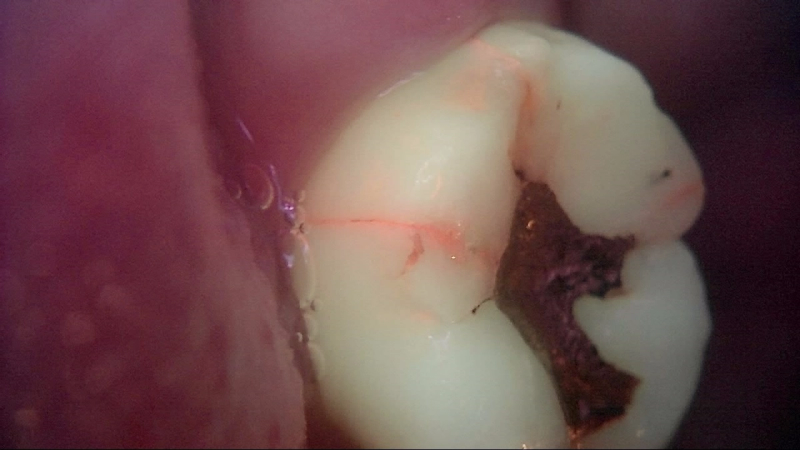
Cracked Tooth Consent: Tell Patients Before Symptoms Start
Cracked tooth consent is easier before symptoms than after. Cases where a crack disclosed at recall returned as a fracture, how to explain prognosis to patients, what a consent form should contain, and the options that are not immediate treatment.
Read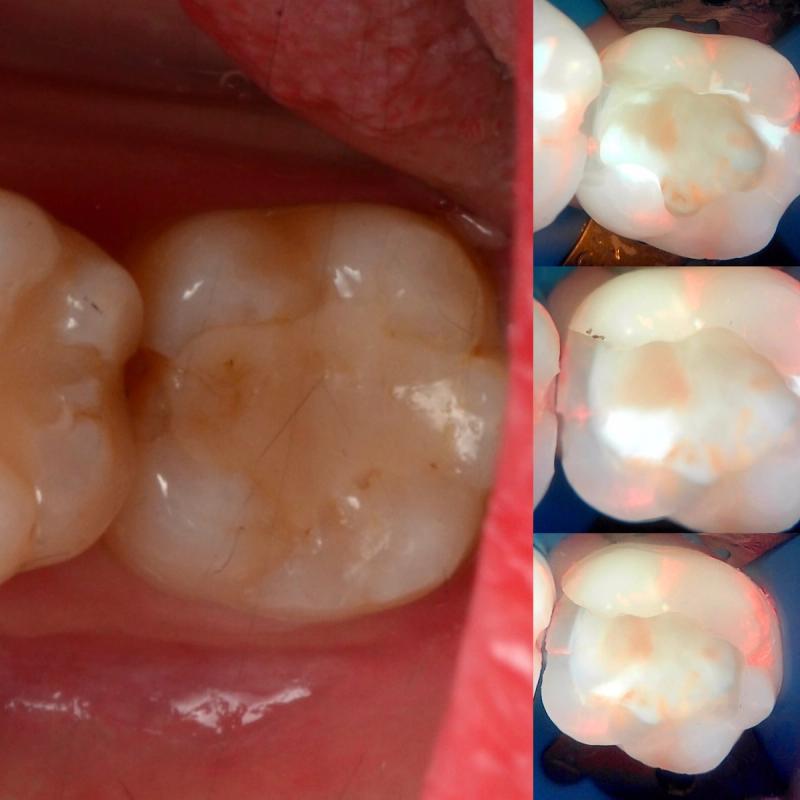
Residual Caries: Image the Cavity Once More Before Restoring
Residual caries is easiest to miss when the excavation feels finished. How clinicians set the caries removal endpoint, what red fluorescence inside the cavity does and does not mean, two case reports, a real case, and a chairside imaging sequence.
Read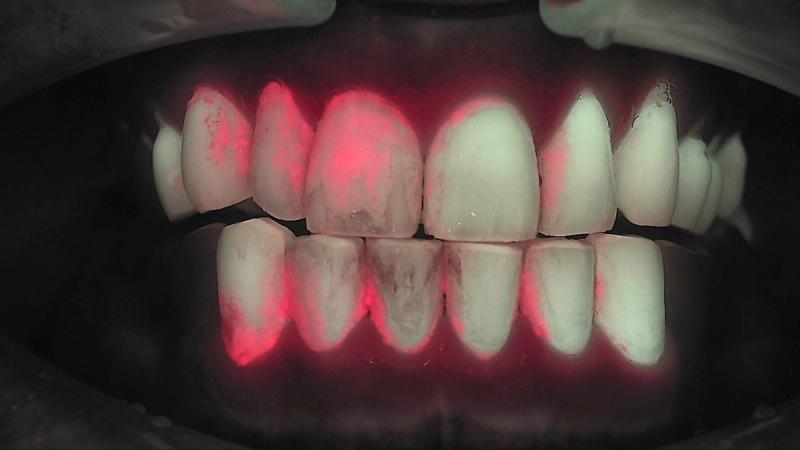
Intraoral Fluorescence Photography: Four Repeatable Basics
The goal of intraoral fluorescence photography is an image you can reproduce at the next visit. Ambient light, distance, angle and a dry field decide quality, and caries and cracks call for different settings. A chairside sequence for standardized intraoral photos.
Read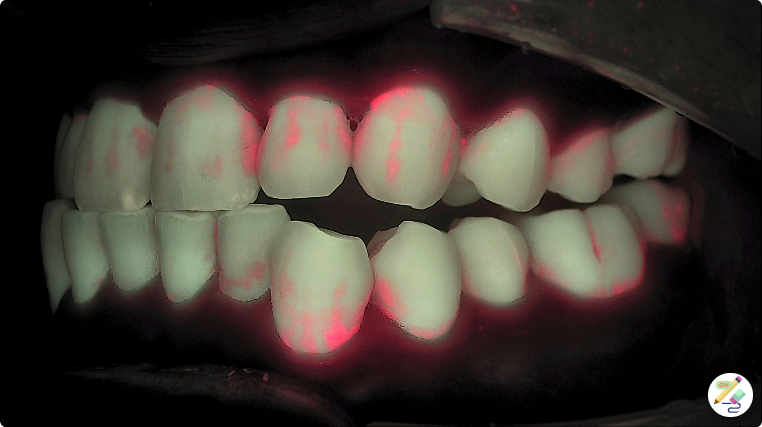
Dental Recall Interval: Is Six Months Right for Everyone?
No single dental recall interval fits every patient. How comparing Qray fluorescence images with the last visit supports a risk-based recall decision, when to step the interval out or back, and how to explain it, with a real case.
Read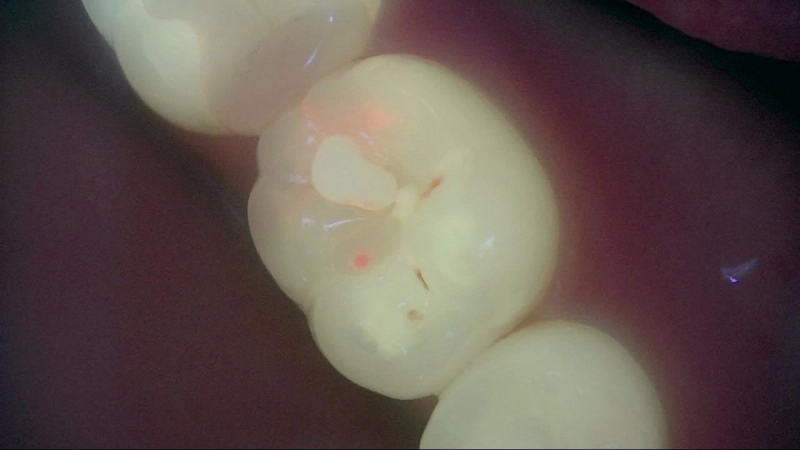
Dental X-Ray Anxiety: Fluorescence and Radiographs, Together
Dental x-ray anxiety is rarely solved by promising fewer images. What Qray fluorescence and radiographs each show, where each did better in research, where fluorescence falls short, and a chairside conversation order for patients who hesitate.
Read